
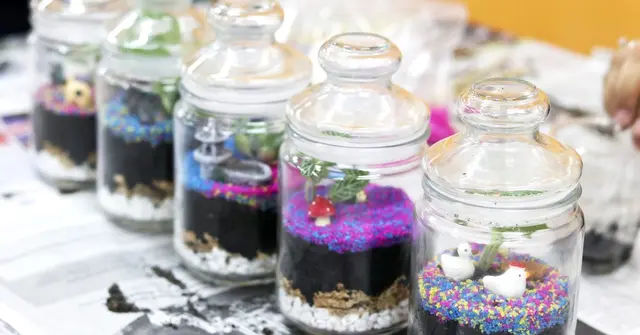
If you’ve been searching for terrarium singapore tips or trying your first diy terrarium singapore project, you’ve probably realised one thing fast — most guides tell you what to add, but not why. And when soil layers are wrong, plants struggle, mould appears, or your indoor terrarium simply doesn’t last.
Bottom Line: Terrarium soil layers aren’t just decorative. They control drainage, airflow, and long-term plant health. When you understand how each layer works, building a thriving indoor terrarium singapore setup becomes much easier.
Here’s what you’ll learn in this guide:
- Why terrarium soil layering matters and how it affects plant survival
- The exact role of drainage, charcoal, and substrate layers
- Practical insights from real terrarium workshops and group sessions
- Common mistakes beginners make (and how to avoid them)
- How to adapt soil layers for DIY setups vs guided workshops
What Are Terrarium Soil Layers And Why Do They Matter?
Terrarium soil layers form the foundation of every miniature ecosystem. In a properly built terrarium singapore setup, each layer serves a different purpose — drainage, filtration, root support, and moisture balance.
In our experience running terrarium workshops for teams of different sizes, the biggest issue beginners face is overwatering. Without a proper drainage layer, water pools at the bottom, roots suffocate, and the terrarium struggles within weeks.
A well-layered terrarium helps you:
- Prevent root rot and excess moisture buildup
- Maintain airflow inside closed glass environments
- Keep plants stable even in compact containers
This is why professional facilitators don’t treat soil layering as an optional step. It’s the structural backbone of the entire build.
The Essential Terrarium Soil Layers Explained
Drainage Layer: The Hidden Foundation
The drainage layer sits at the bottom of your indoor terrarium singapore setup. Usually made from pebbles or gravel, it creates space where excess water can collect instead of soaking the roots.
For beginners attempting diy terrarium singapore projects, this layer is often too thin. We’ve found that participants who skip this step tend to see condensation and plant stress early on.
Key benefits include:
- Reduces waterlogging
- Improves airflow within sealed environments
- Stabilises the overall structure of the terrarium
Even small containers benefit from a proper base, especially in Singapore’s humid climate.
Activated Charcoal Layer: Natural Filtration
Above the drainage layer sits activated charcoal. While it may look simple, it plays a major role in keeping your terrarium healthy.
Activated charcoal helps:
- Absorb excess impurities
- Reduce odours
- Slow down mould formation
During guided terrarium singapore workshops, facilitators often explain that charcoal acts like a filter system. Without it, moisture buildup can lead to cloudy glass and unhealthy soil conditions.
Many DIY builders skip charcoal because they think it’s optional. In reality, it’s one of the easiest ways to improve long-term stability.
Soil Substrate Layer: Where Plants Thrive
The substrate layer is where your plants actually grow. It’s not just regular garden soil — terrariums require lightweight, well-draining mixes that balance moisture retention and airflow.
In structured workshops, participants learn how to shape the substrate into gentle slopes rather than flat layers. This small detail helps water move naturally and prevents stagnant zones.
Good substrate layering helps:
- Support root growth
- Control humidity levels
- Create visual depth inside the terrarium
If you’re building a diy terrarium singapore setup at home, avoid compacting the soil too tightly. Roots need oxygen just as much as moisture.
Decorative Top Layer: More Than Just Aesthetic
Many people assume moss, sand, or stones are purely decorative. But the top layer also helps reduce evaporation and keeps the substrate in place when watering.
From a facilitator’s perspective, decorative layers serve two roles:
- They create a finished, polished look
- They stabilise the terrarium’s ecosystem
This is why structured terrarium singapore sessions often include guidance on layering textures, not just plant placement.
Open vs Closed Terrarium Soil Layering Differences
Not all terrariums are built the same. The way you layer soil depends heavily on whether your design is open or closed.
Closed terrariums hold moisture longer. This means thinner substrate layers and lighter watering techniques are often preferred.
Open terrariums, on the other hand, require stronger drainage because airflow dries them faster. In our experience facilitating group workshops, beginners tend to overwater open setups because they assume all terrariums behave similarly.
Understanding this difference is key if you’re building an indoor terrarium singapore piece for your home or office.
For step-by-step examples, you can explore structured terrarium formats via Read more here: Terrarium Workshop Singapore.
DIY Terrarium Singapore vs Guided Workshop: What’s The Difference?
DIY projects are fun, but they often lack the pacing and technical guidance that structured workshops provide.
When groups build terrariums during corporate team building sessions, facilitators typically:
- Demonstrate soil layering live
- Explain plant compatibility and humidity balance
- Adjust pacing so beginners don’t rush the build
We’ve found that teams engage more when they understand why each layer exists rather than just copying instructions.
DIY setups work well for creative exploration. Workshops provide consistency, especially for large groups where uneven skill levels can affect results.
Read more here: DIY Terrarium Singapore if you want a step-by-step beginner walkthrough before building your own.
How Terrarium Workshops Structure Soil Layering For Groups
Terrarium Singapore specialises in guided sessions designed for beginners and mixed-skill participants. Workshops are structured so everyone builds confidence step by step.
Pax & Pricing: For teams from 5 to unlimited pax. Price starts from $30 per pax.
During sessions, facilitators usually:
- Introduce soil layering with visual demonstrations
- Help participants adjust drainage thickness based on container size
- Encourage personal creativity while maintaining plant health
Because all materials are prepared in advance, participants can focus on learning instead of sourcing supplies.
If you’re exploring more creative experiences alongside terrariums, you can also explore Read more here: Art Jamming Singapore for complementary workshop formats.
Key Consideration Factors When Building Terrarium Soil Layers
Before you start your next terrarium singapore project, keep these factors in mind:
- Accessibility: Beginner-friendly layering ensures even first-timers succeed.
- Scalability: Workshops adapt well for small groups or hundreds of participants.
- Clarity in Setup: Clear instructions prevent overwatering and plant damage.
- Variety: Different plants require slight adjustments to substrate depth.
- Cultural Sensitivity: Inclusive facilitation ensures everyone feels comfortable participating.
Common Mistakes Beginners Make With Terrarium Soil Layers
Even enthusiastic creators can run into issues. Here are mistakes facilitators see frequently:
- Using regular garden soil instead of terrarium substrate
- Skipping charcoal to save time
- Adding too much water too early
- Packing soil too tightly, reducing airflow
In large-scale terrarium singapore events, pacing helps prevent these issues. Participants move through each step together, ensuring no layer is rushed.
Building A Strong Foundation For Your Terrarium Singapore Journey
Terrarium soil layers might look simple at first glance, but they’re what keep your miniature ecosystem alive long after the workshop ends.
Whether you’re planning a diy terrarium singapore project or joining a guided indoor terrarium singapore session, understanding layering gives you control over moisture, airflow, and plant health.
When the foundation is right, everything else becomes easier — creativity flows, maintenance stays low, and your terrarium lasts longer.
If you’re looking to learn in a structured, supportive environment, exploring a guided terrarium workshop can help you build confidence while creating something meaningful at your own pace.
FAQ About Terrarium Soil Layers And Terrarium Singapore
What is a barrier layer and what functions does it serve in a terrarium build?
A barrier layer usually sits between the drainage stones and the soil mix to keep materials separated. Its main functions are to prevent soil from sinking into the ground layer while still allowing water to pass through. Many terrarium singapore creators use mesh or sphagnum moss as a simple barrier during the terrarium build process.
What type of plants work best with different soil layer options?
The type of plant you choose affects the order of your layers and the mix used. Ferns typically prefer slightly more moisture retention, while air plants don’t need traditional soil layers at all. If you are unsure which category your plants fall under, guided workshops often help you explore different options before building.
Can I add decorative figurines or other things on top of the soil layers?
Yes, figurines and decorative additions are common in indoor terrarium singapore designs. The key is to place them after your main layers are complete so they don’t interfere with the job of drainage or airflow. Many beginners focus on aesthetics first, but facilitators usually recommend finishing the functional layers before adding creative elements.
Do I need sphagnum moss in every terrarium soil layer setup?
Not always, but sphagnum moss is often used as a light barrier or as an addition to help retain moisture. Some builds use it in bulk for humidity control, while others only use a thin layer depending on the plants chosen. The right choice depends on the terrarium build style and environment.
What order should I follow when layering a terrarium?
A typical order starts with a ground drainage layer, followed by charcoal, a barrier layer, and then your soil mix. After that, plants and decorative points are added to complete the design. If you follow this structure, your terrarium singapore setup will usually have better balance and fewer long-term issues.
If you are new to terrariums, should you start DIY or join a workshop?
If you prefer flexibility, DIY builds are a good starting point. However, many beginners find that structured workshops explain the functions of each layer more clearly and help them avoid common mistakes. Let us know your goals and experience level, and facilitators can guide you toward the most suitable format.