
If you’re researching terrarium plants Singapore, you might be wondering which plants actually survive long-term, what works in a closed terrarium, and how to avoid common gardening mistakes when building your first setup.
The bottom line: Choosing the right plants for your terrarium matters more than design trends. A successful terrarium comes from understanding humidity, plant compatibility, and how different plant species behave inside glass environments.
Here’s what this guide will help you do:
- Understand which indoor terrarium plants grow well in Singapore’s climate
- Learn how humidity plants behave in a closed terrarium versus open containers
- Avoid common beginner mistakes when creating your own ecosystem
- Discover moss terrarium plants that are easy to care for
- Apply practical insights from real terrarium workshops and group sessions
What Makes Terrarium Plants Singapore Unique?
Singapore’s climate naturally supports humidity loving plants, which is why terrarium gardening has become popular across homes, offices, and schools.
A terrarium is a miniature environment where moisture cycles through soil, plants, and glass surfaces. In a closed terrarium, water evaporates and condenses repeatedly, reducing the need for frequent watering. Because of this, plant species that thrive in humid conditions often perform best.
In our experience running terrarium events for teams and schools, many beginners choose plants based only on appearance. However, choosing incompatible plant species such as combining an air plant with heavy moisture plants inside the same container can create long-term challenges.
Understanding how plants behave in terrariums helps you avoid early frustration and allows your terrarium to grow naturally.
Popular Indoor Terrarium Plants Singapore Enthusiasts Use

Moss And Ground Cover Plants
Of moss varieties are often used as a foundation layer because they help regulate moisture and stabilise soil.
Moss terrarium plants work well because:
- They retain water without overwhelming roots.
- They create natural green leaves that soften the look of the terrarium.
- They are easy to care for, especially for beginners.
When participants join workshops at Terrarium Singapore, moss setups are commonly recommended for first-time builders because they reduce maintenance stress while still allowing creative freedom.
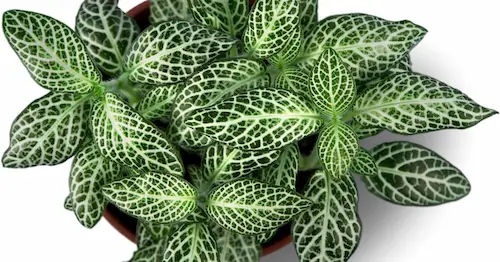
Nerve Plant And Polka Dot Plant
The nerve plant and polka dot plant are well-known indoor terrarium plants due to their colourful leaves and compact size.
They are especially suitable in a closed terrarium because they thrive in humidity. These plants for terrariums often stay relatively small, making it easier to maintain visual balance over time.
In structured sessions, we’ve found that participants enjoy using these plants to create contrast against moss or small fern layers, making it easier to personalise their design.
Fern Varieties For Humidity Terrariums
Ferns are among the most reliable humidity plants for terrariums.
Common choices include:
- button fern
- maidenhair fern
- asparagus fern
These varieties tend to adapt well in terrariums because they enjoy consistent moisture levels. A fern with delicate leaves adds movement and softness to the overall design.
However, not every fern works equally well. Some larger varieties outgrow small containers quickly, which is why professional facilitators usually prepare plant selections in advance.
Aluminum Plant And Baby Tears Plant
The aluminum plant and baby tears plant are frequently used when creating layered terrarium designs.
They offer:
- textured green leaves
- compact growth patterns
- visual depth without overcrowding
From a practical standpoint, these plants help fill empty spaces while maintaining airflow. During workshops, participants often use them to create a fuller appearance without needing a flowering plant, which may require more maintenance.
Air Plant And Open Terrarium Options
An air plant behaves differently compared to traditional soil-based terrarium plants. While they are visually appealing, they may struggle in a closed terrarium where airflow is limited.
Air plants typically prefer open terrariums with indirect light and occasional misting. Mixing them with heavy humidity plants can lead to imbalance, which is why facilitators often separate open and closed terrarium plant categories during workshops.
How To Choose Plants For Your Terrarium Setup
Selecting plants for your terrarium involves more than aesthetics. Here are practical factors we recommend based on real workshop experience:
Match Plants With Environment
If you plan to build a closed terrarium, focus on humidity loving plants such as moss, nerve plant, or fern species. These plants naturally thrive with limited airflow.
Consider Growth Patterns
Some plant species grow quickly and may outcompete slower plants. Choosing compact varieties helps maintain balance inside the container.
Think About Maintenance Comfort
Many beginners prefer plants that are easy to care for. Moss, polka dot plant, and aluminum plant varieties often require minimal trimming.
Avoid Mixing Conflicting Needs
A common mistake is combining desert plants with moisture-loving species. Understanding how each plant behaves helps prevent stress within the ecosystem.
Common Mistakes When Building Terrariums In Singapore
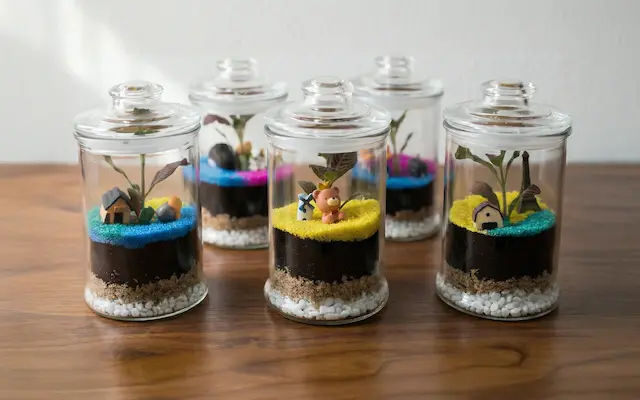
Even experienced hobbyists occasionally face challenges. From our experience facilitating terrarium workshops, these are some of the most frequent issues:
- Overwatering despite the presence of natural water sources inside a closed terrarium
- Choosing a flowering plant that needs more airflow than the container provides
- Placing terrariums directly under harsh sunlight
- Using spider plants that grow too large for small glass containers
Many beginners assume terrarium gardening is completely maintenance-free. While terrariums reduce watering frequency, they still benefit from occasional observation and small adjustments.
Why Moss Terrarium Plants Are Beginner Friendly
Moss terrariums are often recommended for beginners because they simplify the building process.
Benefits include:
- Natural moisture control within the terrarium
- Reduced need for frequent pruning
- A calming aesthetic created by layers of moss
During group workshops, we’ve found that participants feel more confident when starting with moss terrarium plants before experimenting with more complex foliage arrangements.
How Professional Terrarium Workshops Approach Plant Selection
Professional workshops typically use curated plant selections rather than random assortments.
Based on sessions hosted through terrariumsingapore.sg, facilitators prepare compatible plant species that balance humidity tolerance, growth rate, and visual design.
Pax & Pricing: For teams from 5 to unlimited pax. Price starts from $30 per pax.
In our experience running large group events, participants engage more when:
- Plants are pre-selected for compatibility
- Clear guidance explains how each plant behaves in terrariums
- The focus remains on creativity rather than technical stress
If you want to explore a structured learning experience, you can learn more through the terrarium workshop Singapore guide (Read more here).
Indoor Terrarium Plants For Different Singapore Spaces
Home Terrariums
Many homeowners build terrariums to create a calming indoor environment. Using humidity loving plants such as nerve plant or maidenhair fern helps maintain a stable ecosystem with minimal maintenance.
Office And Corporate Terrariums
Corporate environments often prefer compact plants that remain tidy over time. Aluminum plant, button fern, and baby tears plant are commonly used because they maintain shape without excessive pruning.
In our experience running corporate terrarium events, participants tend to engage more when they can personalise designs while still following structured guidance.
Educational And School Terrariums
Terrariums provide a hands-on way to introduce students to basic gardening concepts. Observing condensation cycles helps explain how plants recycle moisture naturally.
Closed terrariums with moss layers are particularly effective because they demonstrate ecosystem balance in a simple visual format.
Key Consideration Factors When Choosing Terrarium Plants
- Cultural sensitivity: Choose plants that are safe and suitable for different age groups.
- Accessibility: Beginner-friendly plants reduce frustration during the learning process.
- Scalability: Terrarium workshops can support small teams or large group events.
- Variety: Mixing textures such as fern leaves and moss layers creates visual interest.
- Clarity in setup: Clear instructions help participants avoid common mistakes.
Why Structured Terrarium Workshops Improve Long-Term Success
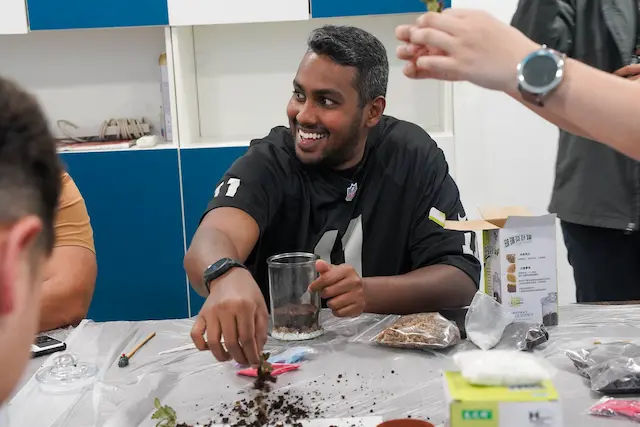
DIY terrariums can be enjoyable, but structured workshops often help participants avoid trial-and-error.
Professional facilitators guide participants through:
- layering soil correctly
- choosing compatible plant species
- understanding how humidity affects growth
Terrarium Singapore specialises in structured creative workshops designed specifically for teams, schools, and large group experiences. Rather than focusing purely on aesthetics, sessions emphasise long-term plant health and realistic maintenance expectations.
You can also explore related creative activities like art jamming singapore experiences within the same cluster (Read more here).
Conclusion: Building A Terrarium That Thrives In Singapore
Choosing terrarium plants Singapore setups doesn’t need to feel overwhelming. By selecting humidity plants, moss layers, and compact indoor terrarium plants, you can create a miniature ecosystem that stays healthy over time.
The key is understanding how plants behave inside a closed terrarium and choosing species that work together rather than compete for space.
Whether you’re building your own terrarium at home or joining a guided workshop, starting with compatible plants and simple designs makes the process more enjoyable and sustainable.
FAQ: Terrarium Plants Singapore
What types of plants work best in a terrarium in Singapore?
There are many types of indoor terrarium plants that grow well in Singapore because of the naturally high humidity. In a terrarium, smaller plant species such as moss, nerve plant, or button fern tend to adapt better since they enjoy stable humidity and limited airflow. Choosing the right types of plants helps reduce maintenance over time.
How does high humidity affect plants in a terrarium?
High humidity and consistent moisture levels create a self-sustaining environment inside glass containers. In a terrarium, humidity and condensation cycle naturally, which means you usually only need to water a few times. However, too much moisture can be a mistake, so opening the lid occasionally can help balance conditions.
Can beginners have a successful terrarium without gardening experience?
Yes, you can have a fun and beginner-friendly experience even if you are new to gardening. Many first-time builders start with easy to care for plants that tolerate humidity and indirect light. With a few simple guidelines, most people find terrarium building to be relaxing and accessible.
What should I look out for when choosing plants for a terrarium?
When selecting plants for a terrarium, consider the types of environments they prefer. Some plants thrive in high humidity, while others need airflow. Looking at the size, growth rate, and compatibility of plant species helps ensure your terrarium stays balanced over time.
How do I maintain plants inside a closed terrarium?
Maintenance usually involves observing the leaves, soil, and moisture levels of your plants. If you notice excess condensation on the glass, you may need to let the terrarium breathe for a short period. Paying attention to small changes helps keep the ecosystem stable and healthy.
Is a terrarium suitable for group workshops or team activities?
Yes, terrarium building is often chosen as a fun creative activity for corporate teams, schools, and social groups. Participants learn about different types of plants while creating something personal with a hands-on approach. Structured sessions also help ensure everyone understands how plants behave inside glass environments.